


Obsessive-compulsive disorder (OCD) is a mental health condition characterized by intrusive thoughts (obsessions) and repetitive behaviors or mental acts (compulsions). OCD is diagnosed through a clinical evaluation by a licensed mental health professional using criteria from the Diagnostic and Statistical Manual of Mental Disorders (DSM-5).
This evaluation may include structured interviews, standardized questionnaires, and a review of medical and psychiatric history to rule out other possible causes of symptoms.
If you think you might have OCD, you’re not alone. OCD affects about 1 in 40 people, and receiving an accurate diagnosis is an important first step toward finding effective treatment and support.
Can OCD be diagnosed with a medical test?
No. OCD cannot be diagnosed through medical tests such as blood work, imaging scans, or genetic panels. Instead, clinicians diagnose OCD through a psychological evaluation based on symptoms and diagnostic criteria.
While research continues on biological markers—like brain activity patterns or chemical changes—none are currently part of standard clinical practice.
In some cases, providers may order lab tests to rule out other conditions that could explain symptoms, such as thyroid disorders, neurological conditions, or medication side effects.
What do mental health professionals use to diagnose OCD?
Clinicians use structured interviews and validated questionnaires to identify and measure OCD symptoms. These tools help determine severity, track progress, and guide treatment decisions.
Common diagnostic tools include:
- Yale-Brown Obsessive Compulsive Scale (Y-BOCS): The most widely used tool to measure the severity of obsessions and compulsions.
- Dimensional Obsessive-Compulsive Scale (DOCS): A self-report questionnaire that assesses OCD across four dimensions: contamination, responsibility for harm, unacceptable thoughts, and symmetry/completeness.
- Structured Clinical Interview for DSM-5 (SCID): A detailed interview that evaluates OCD symptoms based on DSM-5 criteria.
- Obsessive-Compulsive Inventory-Revised (OCI-R): A self-report tool that measures OCD symptoms across six areas: washing, checking, neutralizing, obsessing, ordering, and hoarding.
These assessments allow clinicians to tailor treatment plans, monitor progress, and adjust therapy as needed. If you’re curious about a particular tool, your therapist can explain how it works and what your scores mean.
Remember, you can take an active role in your treatment journey.
What criteria are used to diagnose OCD?
According to the DSM-5, a diagnosis of OCD requires that:
- The person must experience obsessions, compulsions, or both that are time-consuming (typically more than one hour per day) or cause significant distress and impairment in daily life.
- The symptoms are not better explained by another mental health or medical condition.
The obsessions and compulsions are not caused by substances, medications, or another medical disorder.
How long does it take to get an OCD diagnosis?
OCD often goes undiagnosed for years. It can take up to 17 years from the onset of symptoms to receive proper treatment. Many people are first misdiagnosed with anxiety or depression before OCD is recognized; one study showed family physicians misdiagnosed 50.5% of OCD cases.
Early recognition by an OCD specialist–like those at NOCD–can reduce delays and ensure individuals access the most effective treatments sooner.
Is self-assessment enough to diagnose OCD?
It’s common to recognize symptoms in yourself that resemble OCD, and self-awareness can be a crucial first step in seeking support. However, only a licensed clinician can provide an official diagnosis, which is essential for accessing effective treatment and guidance.
Who should I go to if I think I have OCD?
If you think you might have OCD, your first step should be reaching out to a licensed mental health professional, such as a therapist or psychologist. “No one knows you better than you, but no one knows OCD better than the experts,” says Dr. Keara Valentine, a clinical assistant professor at Stanford University School of Medicine in the Psychosocial Treatment Clinic and OCD Clinic.
You can also consult a general practitioner (GP) to rule out other medical conditions, receive an initial evaluation, and request referrals. While a GP can help get started, working with a therapist who specializes in OCD is key to receiving accurate diagnosis and effective treatment.
Next steps after an OCD diagnosis
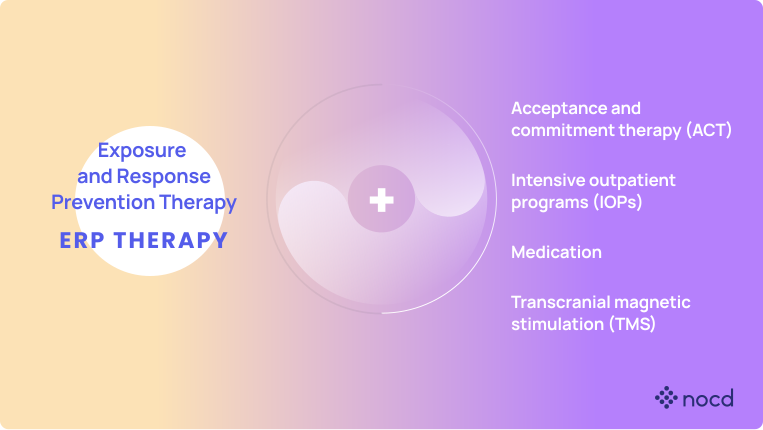
If you receive an OCD diagnosis, help is available. The most effective treatment for the condition is exposure and response prevention (ERP) therapy, a specialized form of cognitive behavioral therapy (CBT) proven to be effective for OCD. General CBT, if not tailored for OCD, may sometimes be less effective or even worsen OCD symptoms.
Research shows that ERP therapy is highly effective, with 80% of people with OCD experiencing a significant reduction in their symptoms.
Other approaches that may help include:
- Medication (typically SSRIs)
- Acceptance and commitment therapy (ACT)
These are typically done in combination with ERP therapy, depending on the individual’s needs.

Find the right OCD therapist for you
All our therapists are licensed and trained in exposure and response prevention therapy (ERP), the gold standard treatment for OCD.
Bottom line
Understanding whether you have OCD is a crucial first step toward gaining clarity and control over your mental health. Seeking a professional diagnosis ensures you’re addressing the right condition and can access evidence-based treatments. Working with a therapist who specializes in OCD allows you to navigate your symptoms with confidence.
Key takeaways
- OCD is diagnosed through a professional evaluation using criteria from the DSM-5. Assessments like the Y-BOCS, DOCS, SCID, and OCI-R can provide further information about an individual’s experience with OCD.
- There’s no single medical test for OCD; diagnosis involves conversations with a trained therapist to understand your symptoms and rule out other conditions.
- Self-diagnosis can help identify OCD symptoms, but a diagnosis from a specialized OCD therapist can help you access effective treatments like ERP and learn more about how to manage your condition.
- Misdiagnosis is common, so seeking an expert with experience in OCD and ERP can make all the difference in starting the right treatment.